15 Photos from Times History Got Intense
Photographs can make history feel immediate, the events behind them often changing entire nations through ripple effects. This collection focuses on famous photos whose historical importance extends far beyond what appears inside the frame.
This isn’t a celebration of the moments, rather a reminder of how intense the past can be. We’ll be focusing on the different conflicts mankind has been able to document through photography, and how the photo, the event depicted, and the social impact overall shaped history as we know it.
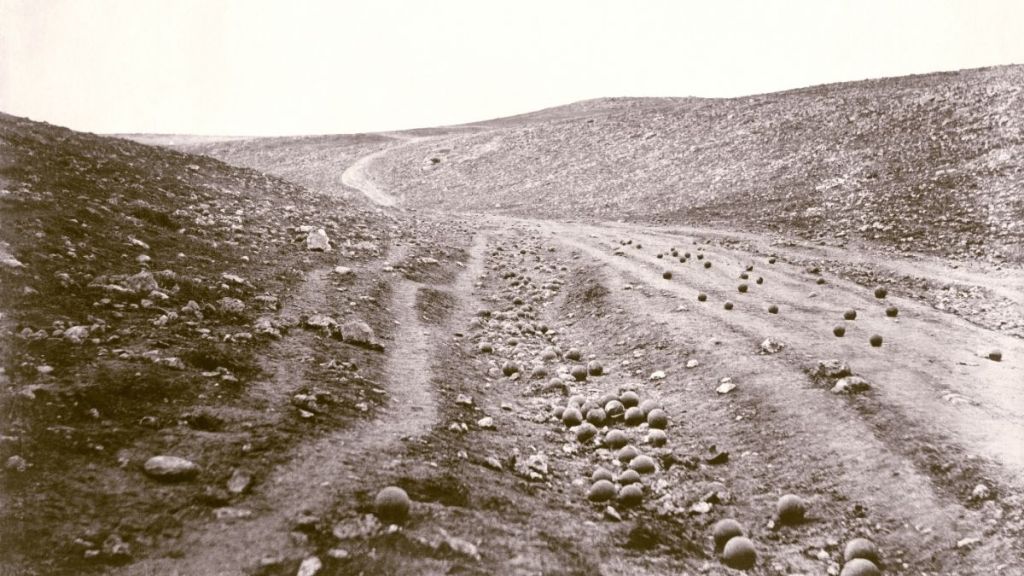
The Valley of the Shadow of Death
Roger Fenton’s Crimean War photographs were among the earliest systematic attempts to document a war. They helped establish photography as historical evidence and gave distant audiences a new way to understand military campaigns.
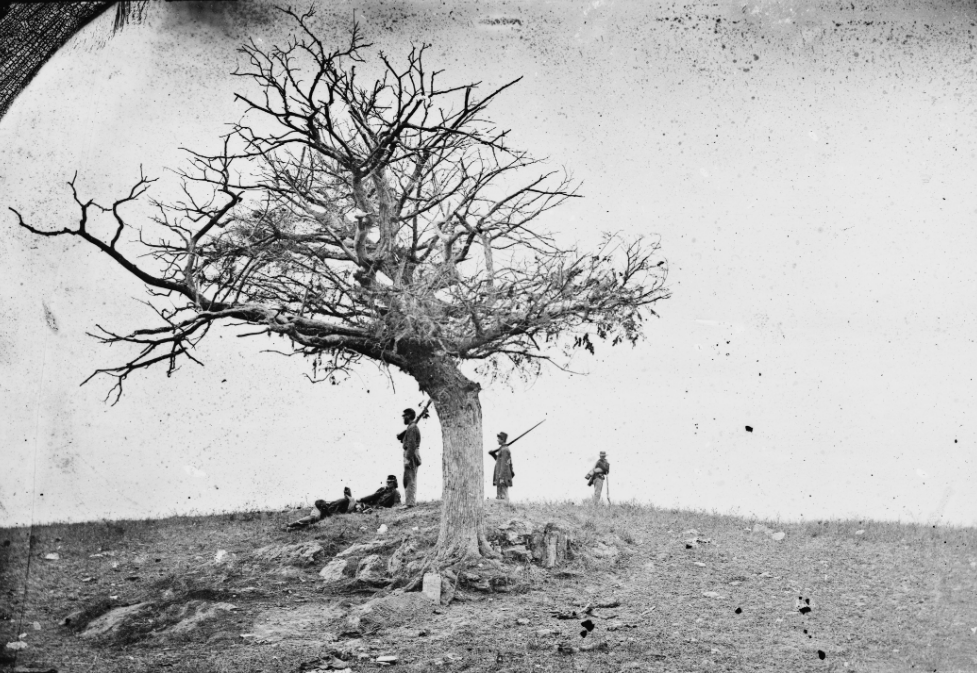
Lonely Grave
Alexander Gardner’s photographs of Antietam exposed Americans to the Civil War’s human cost. Published soon after the battle, the images helped demonstrate photography’s power to confront the public with warfare’s consequences, like this soldiers by a comrade’s grave.
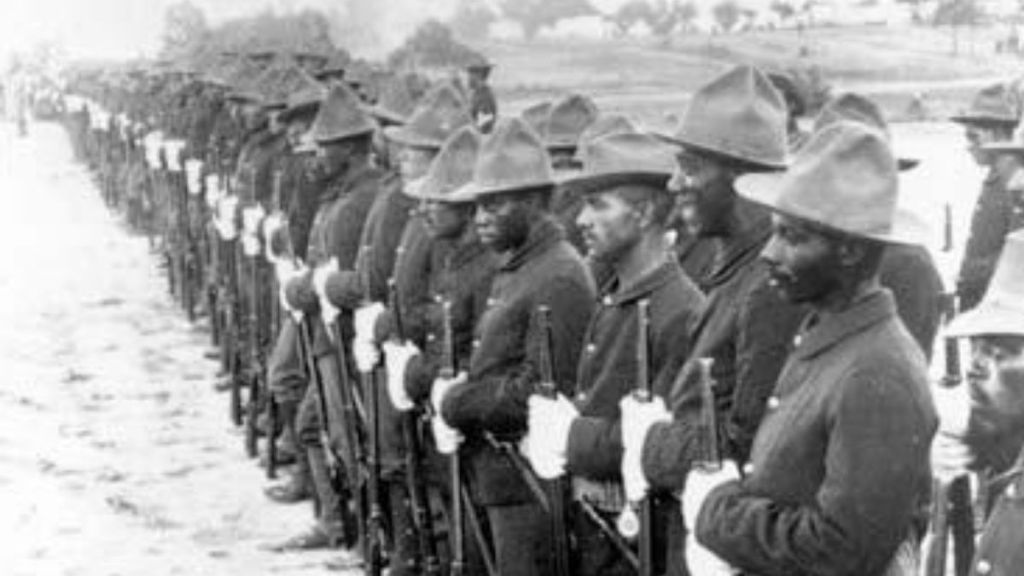
The San Juan Hill Battlefield
Photographs like this one of San Juan Hill preserved the Spanish-American War’s campaign in Cuba. The conflict ended Spain’s colonial rule over Cuba and transferred Puerto Rico, Guam, and the Philippines into American control.
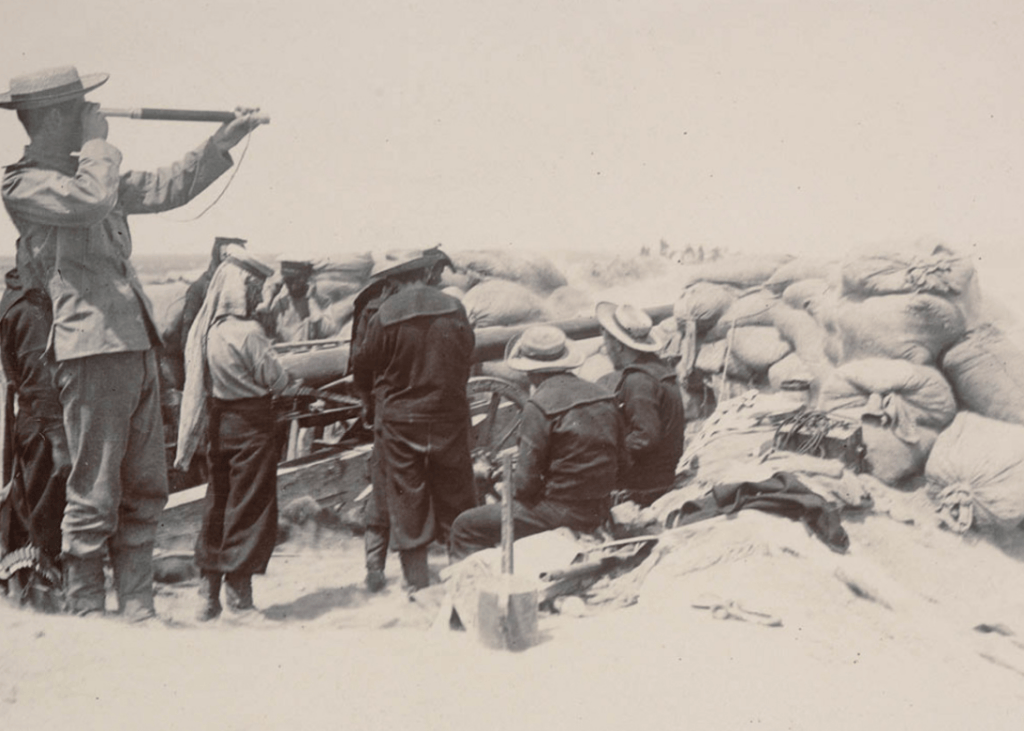
The Boxer Rebellion
The Boxer Rebellion was an international intervention in China, with the Europeans pictured here preapering to bomb a city. The conflict exposed the Qing dynasty’s weakness, intensified foreign influence, and contributed to political pressures that eventually helped bring imperial rule to an end.
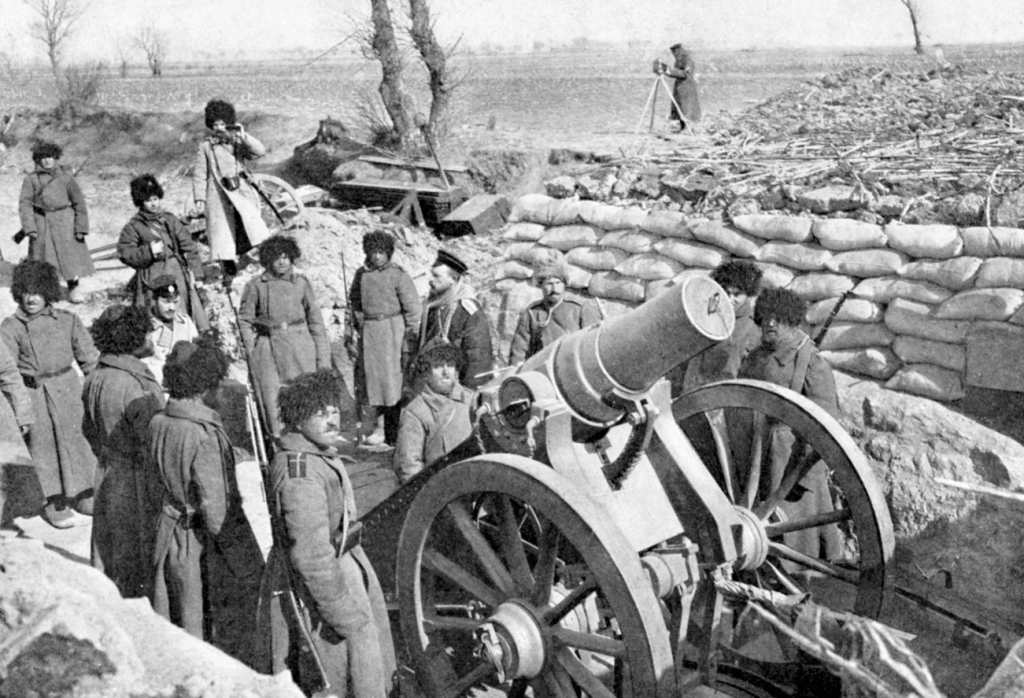
The Russo-Japanese War
This image shows the Russo-Japanese War in full force, which mostly involved taking and defending settlements. Japan’s victory demonstrated that an Asian power could defeat a major European empire, challenging assumptions about global power.
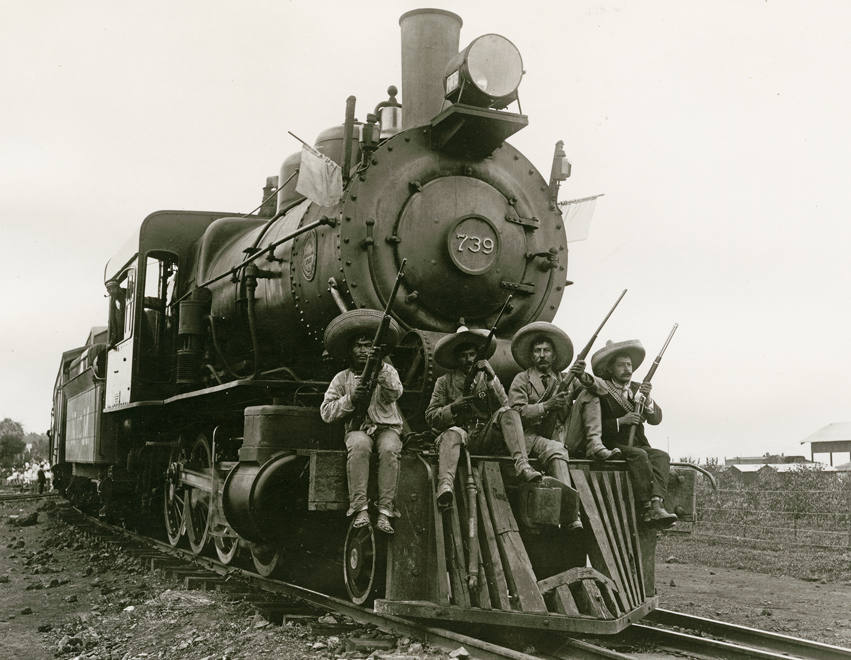
The Mexican Revolution
Trains are either taken by trade or by force, something that happened often during the Mexican Revolution, a conflict that transformed Mexico’s political system. The struggle contributed to the overthrow of Porfirio Díaz, years of civil war, and the creation of a new constitutional order.
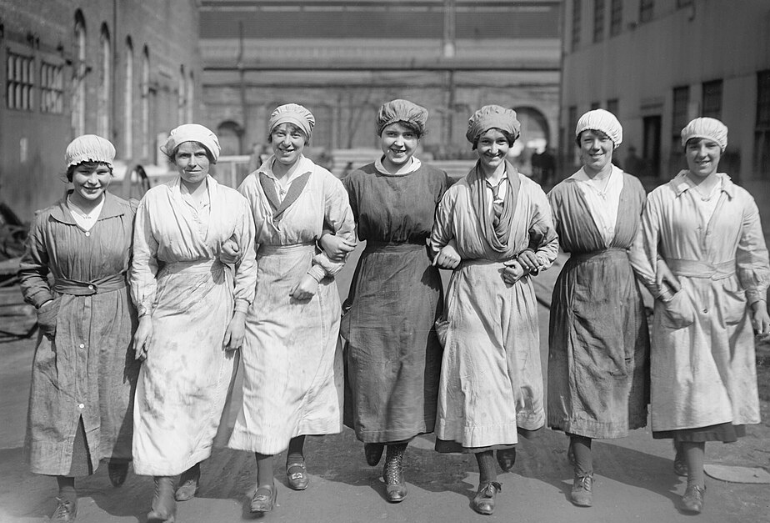
British Shipbuilding Industry
During World War I, women needed to take more and more jobs than was socially accepted at the time, due to the industrialized warfare going on an unprecedented scale. These women helped just as much as soldioers did to redraw Europe’s political map after 1918.
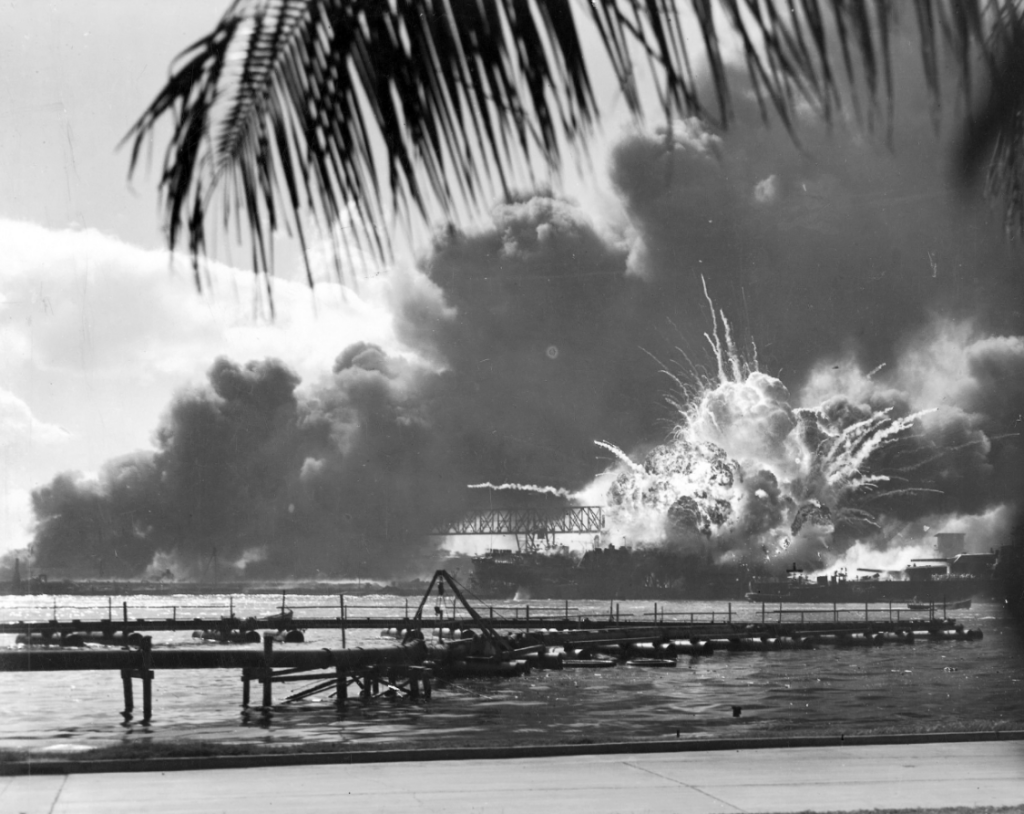
Pearl Harbor
The assault on Pearl Harbor, pictured here, killed more than 2,400 Americans and brought the United States directly into World War II, transforming the conflict’s scale and global consequences.
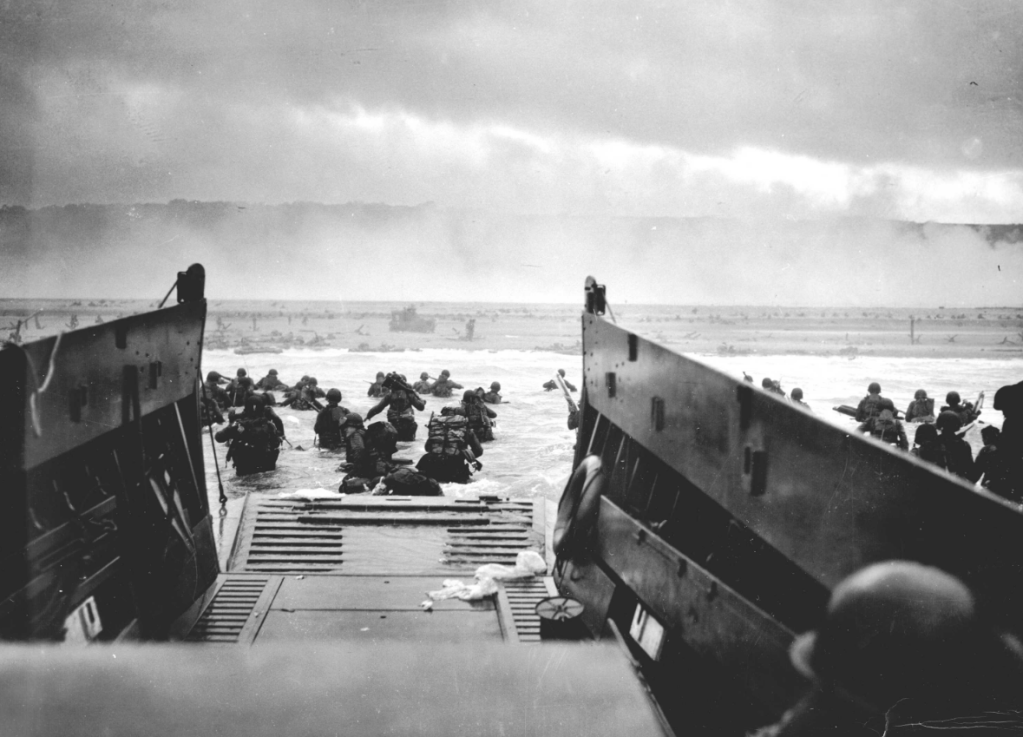
D-Day
Photographs from the Normandy landings documented the opening of the major Allied invasion of Nazi-occupied Western Europe. D-Day established a crucial Western Front and began the campaign that ultimately drove German forces from France.
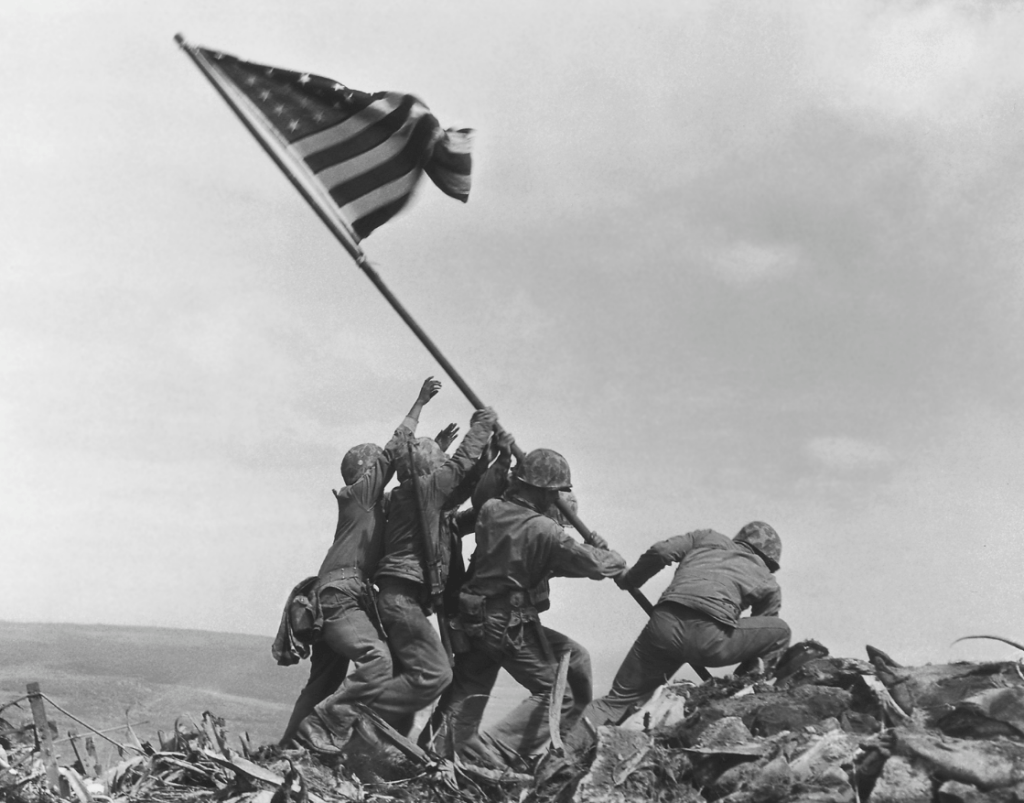
The Iwo Jima Flag Raising
Joe Rosenthal’s Iwo Jima photograph became one of World War II’s defining images. The battle was strategically important because capturing the island provided an airfield close enough to support American operations against Japan.
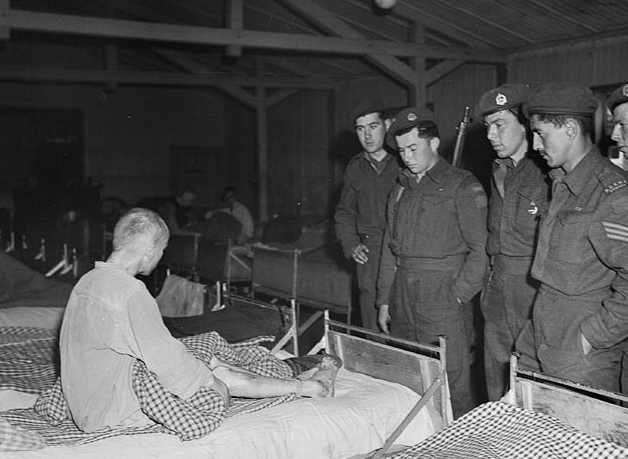
The Liberation of the Camps
Liberated Nazi concentration camps provided evidence of persecution and mass murder. Images from places such as Buchenwald and Dachau became crucial historical records during the postwar reckoning with Nazi crimes.
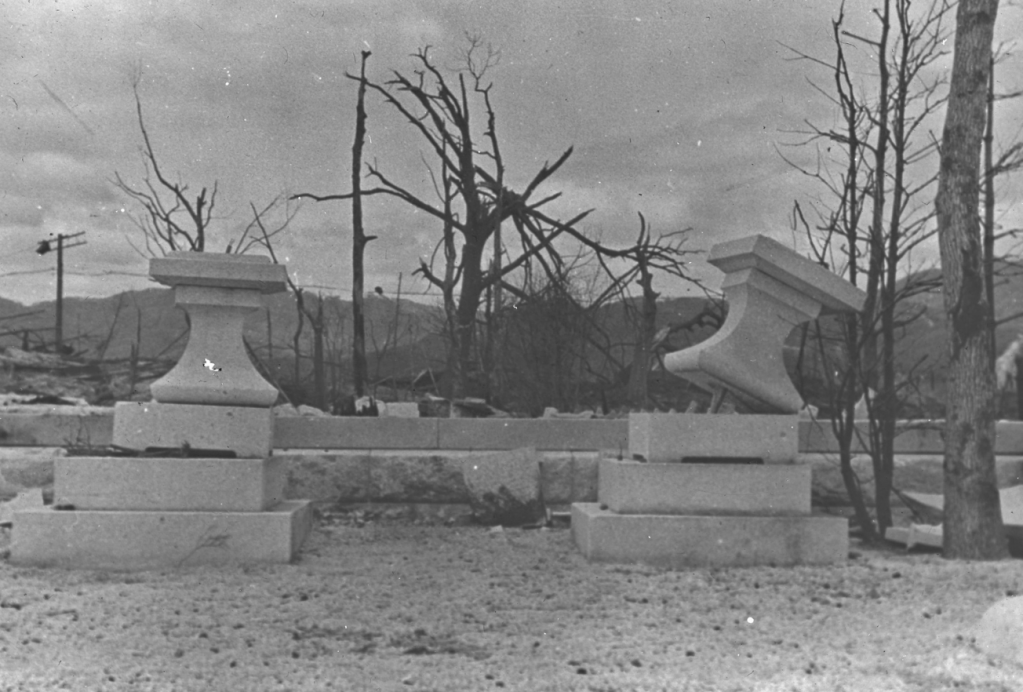
Hiroshima
Hiroshima after the atomic bombing showed destruction on an unprecedented scale. The attack, followed by Nagasaki, helped force Japan’s surrender and marked the beginning of the nuclear age, permanently changing international security.
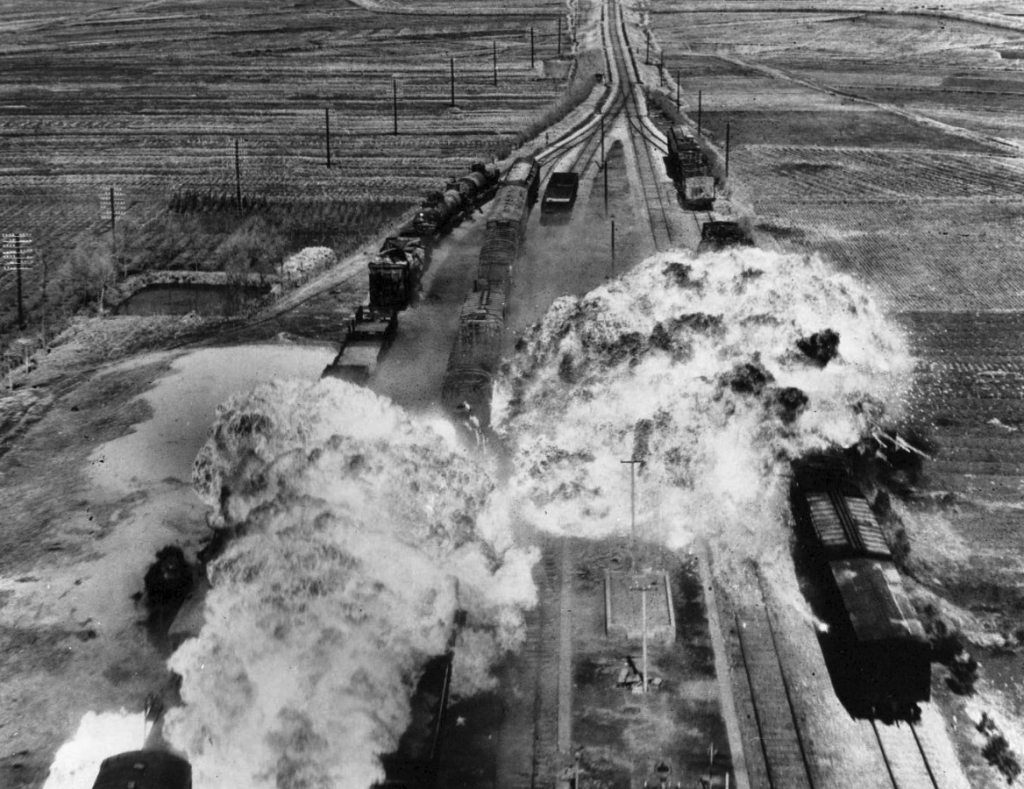
The Korean War
These strategic explosions were part of the Korean War, a conflict that ended without a comprehensive peace treaty. The 1953 armistice established the Demilitarized Zone and left Korea divided, creating a political reality that continues today.
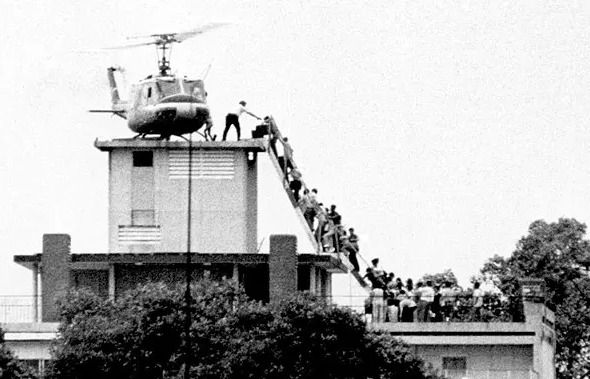
The Fall of Saigon
Here we see people from Korea being evacuated from Saigon by the CIA. The fall of Saigon ended the conflict, reunified Vietnam under communist rule, and became a defining image of America’s withdrawal.
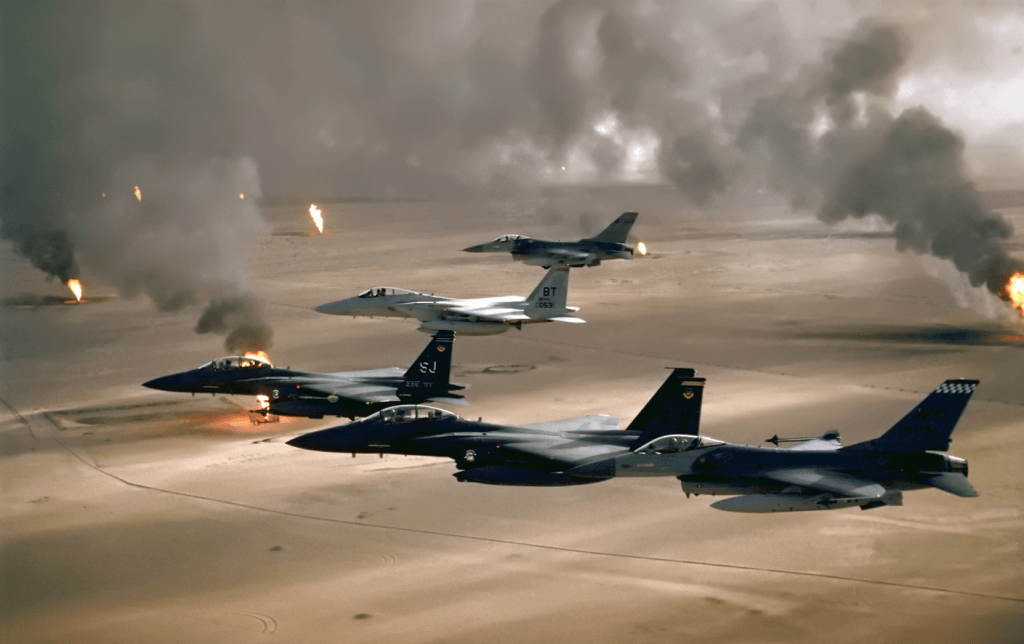
The Gulf War
The 1991 Gulf War was a conflict that followed Iraq’s invasion of Kuwait. The U.S.-led coalition expelled Iraqi forces, restored Kuwait’s sovereignty, and demonstrated the scale of American military power after the Cold War. Pictured here is the famed Operation Desert Storm.
The post 15 Photos from Times History Got Intense appeared first on Den of Geek.
Leave a Reply
You must be logged in to post a comment.