15 Times a Movie Was Saved on the Editing Floor
Not every great movie starts out great. In fact, some films only come together in the editing room, where raw footage is reshaped into something far more compelling than how it first appeared. In some cases, early cuts were messy, confusing, or simply didn’t work at all. Then editing stepped in and changed everything. These are the movies that didn’t seem promising at first, but were ultimately saved by what happened after filming wrapped.
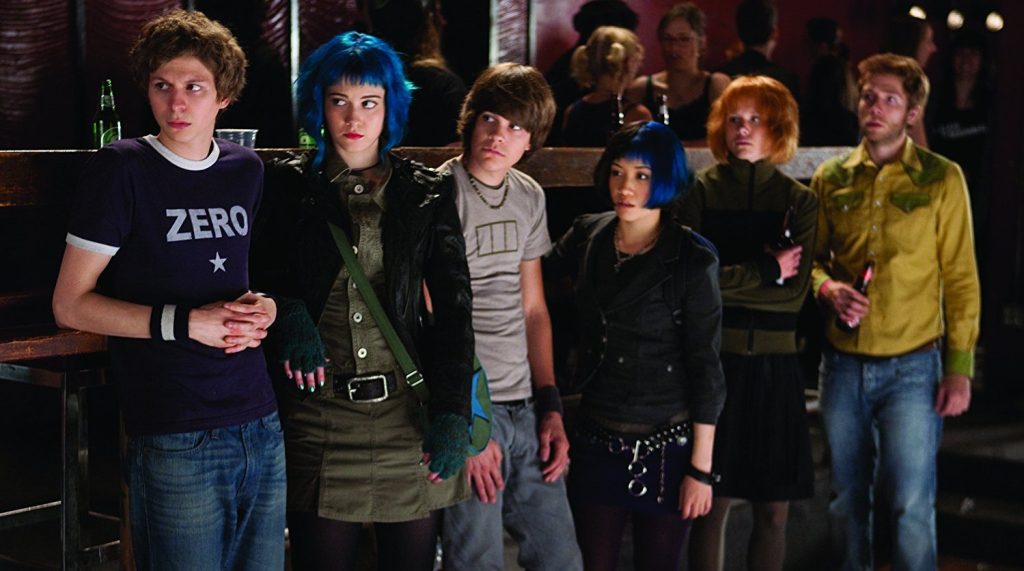
Scott Pilgrim vs. the World (2010)
Edgar Wright relied on fast, stylized editing to bring comic book elements to life, turning a potentially chaotic story into something sharp and engaging.
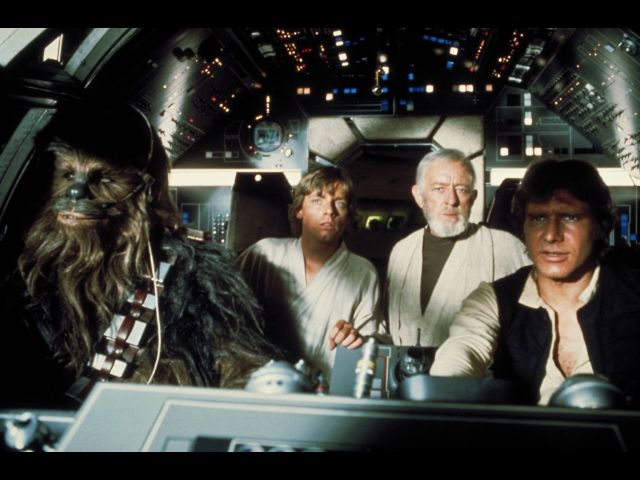
Star Wars (1977)
George Lucas’ original cut was reportedly messy and difficult to follow. It was the editing team that reshaped the pacing, structure, and tension, turning it into the groundbreaking film audiences know today.
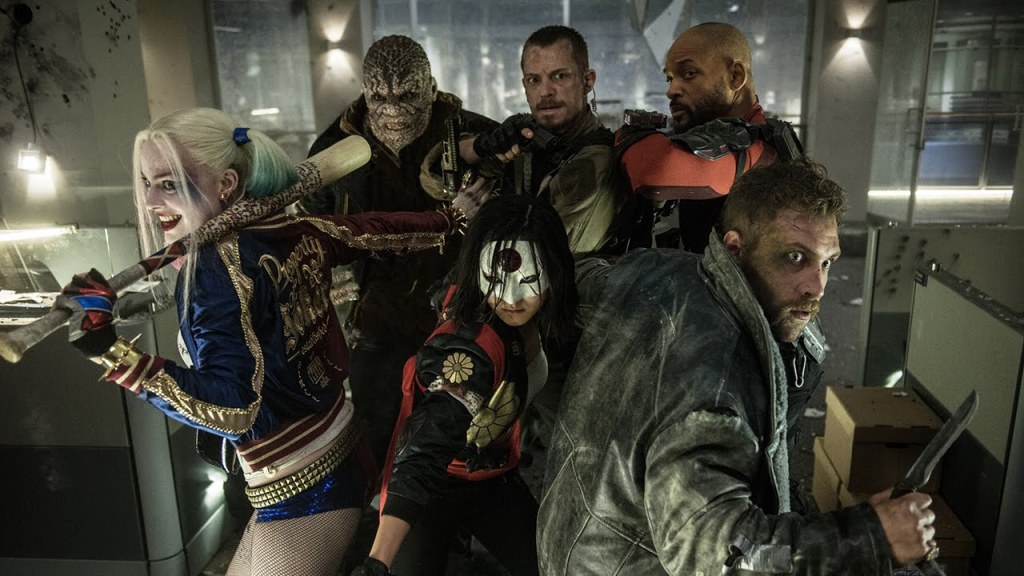
Suicide Squad (2016)
After mixed early reactions, the studio leaned heavily on editing to change tone and pacing, resulting in a very different final cut.
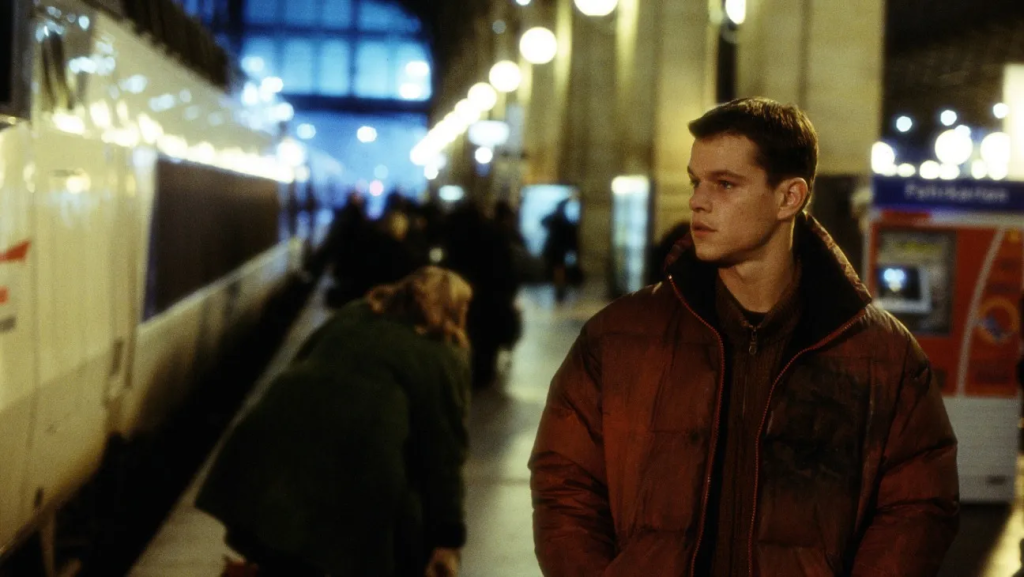
The Bourne Identity (2002)
The film underwent major restructuring in post-production, with editing tightening the narrative and redefining the pacing of its action sequences.
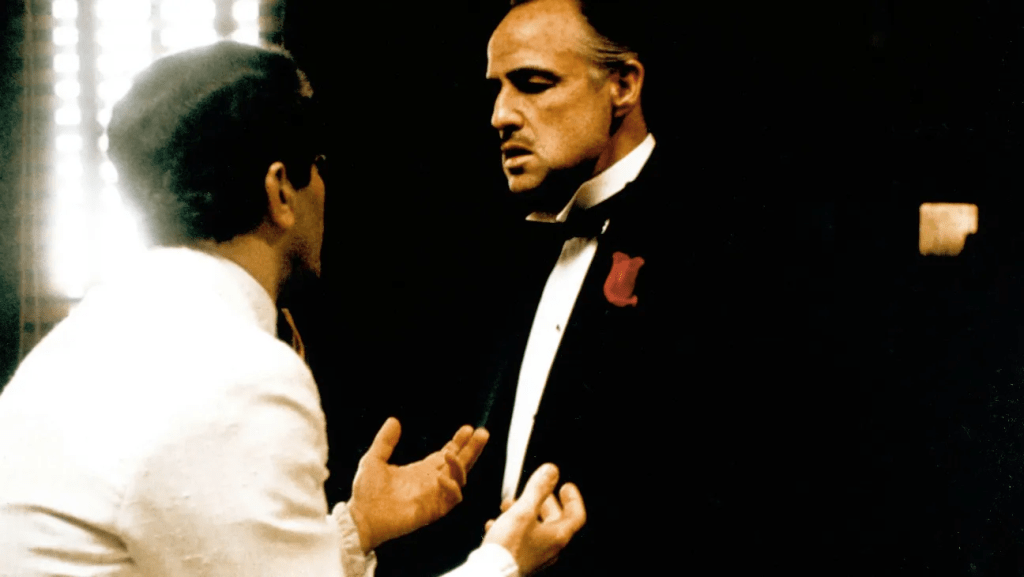
The Godfather (1972)
The studio initially had doubts about the film’s pacing and structure, but careful editing elevated its storytelling and helped define its iconic rhythm.
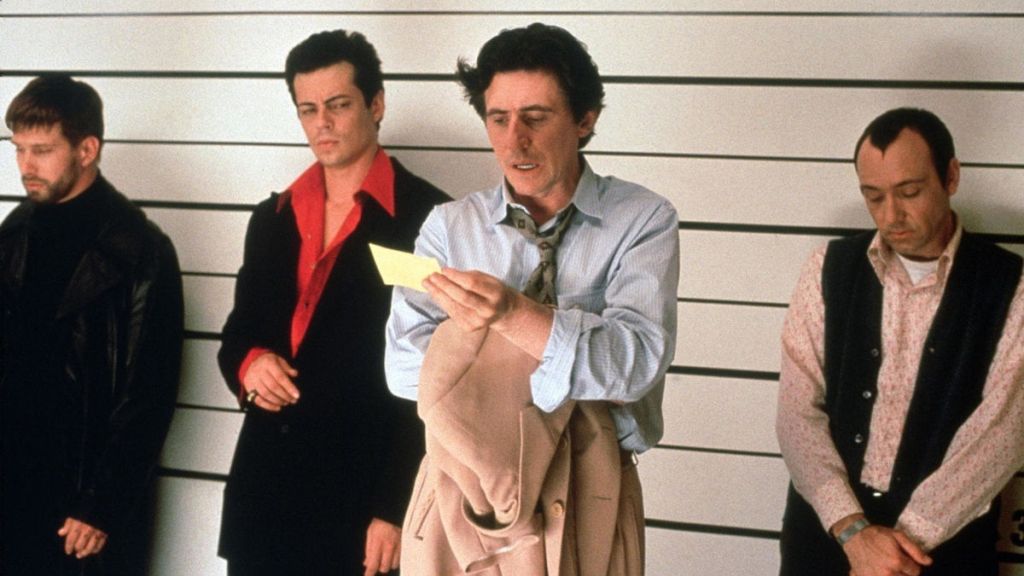
The Usual Suspects (1995)
The film’s structure and twist rely heavily on editing, which carefully controls information and builds toward its unforgettable final reveal.
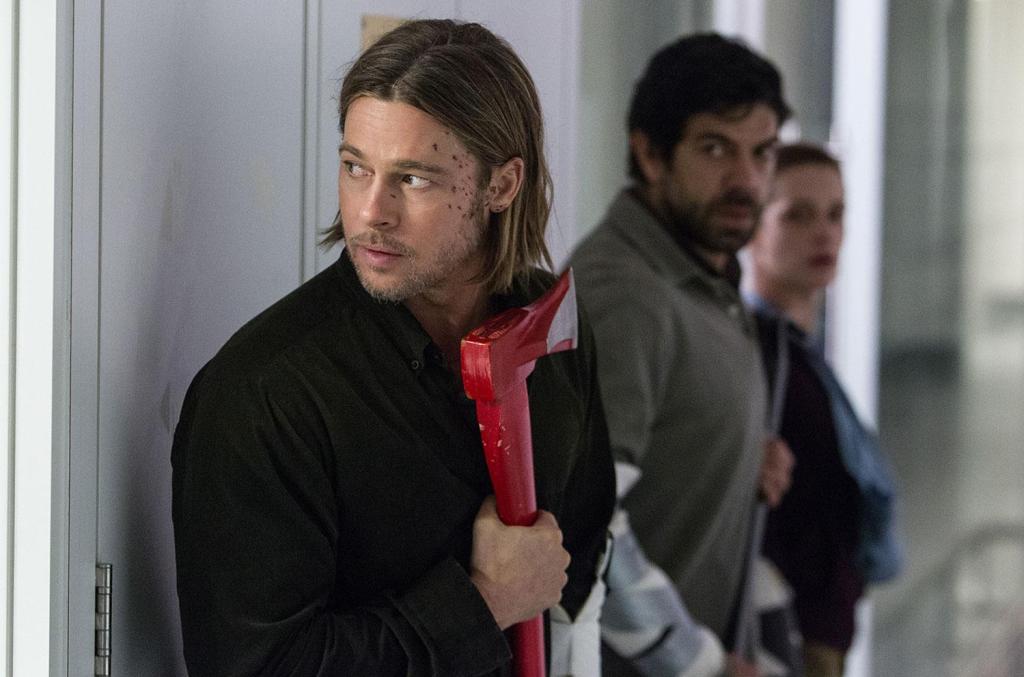
World War Z (2013)
A troubled production led to a heavily reworked third act. Editing and reshoots completely reshaped the ending into something more coherent.
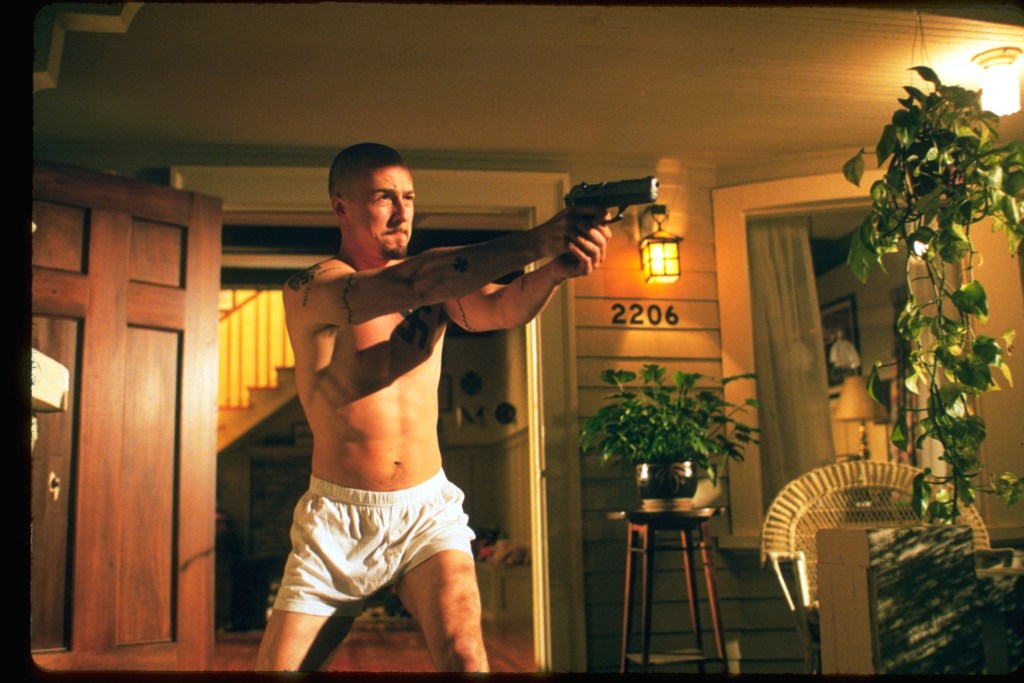
American History X (1998)
Different cuts of the film highlight how editing choices can dramatically alter tone and message, with the final version shaping its lasting impact.
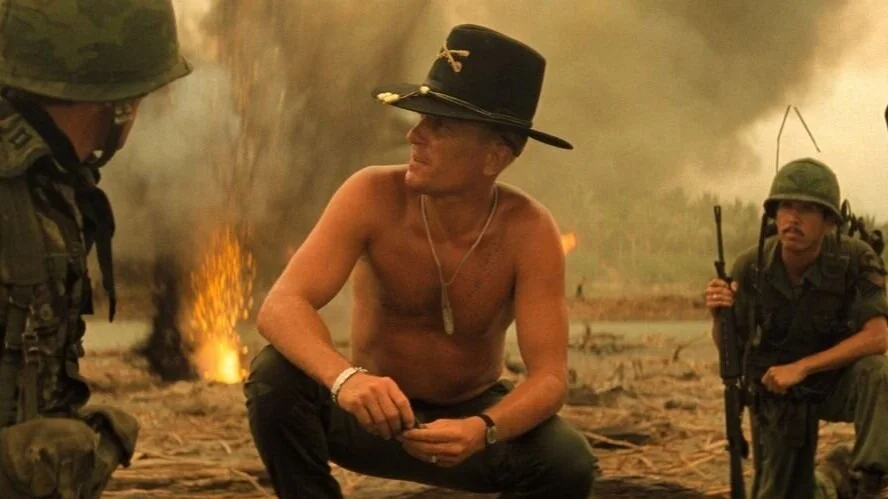
Apocalypse Now (1979)
Francis Ford Coppola had an enormous amount of chaotic footage. The editing process was crucial in finding a coherent narrative within the film’s ambitious scope.
Blade Runner (1982)
Multiple cuts of the film show how much editing shaped its tone. The final versions refined pacing and atmosphere, turning it into a lasting sci-fi classic.
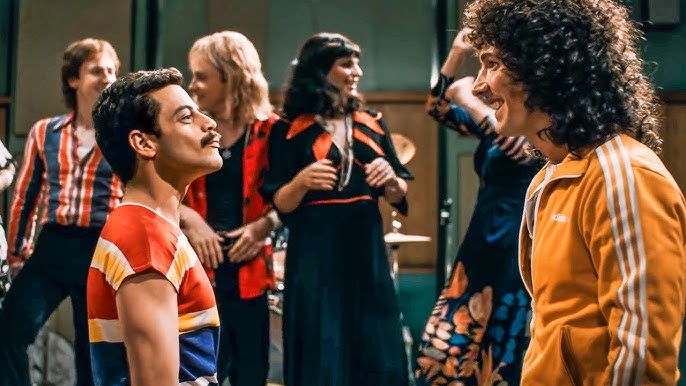
Bohemian Rhapsody (2018)
Despite production challenges, the editing helped streamline the story and build toward a powerful and widely celebrated final performance sequence.
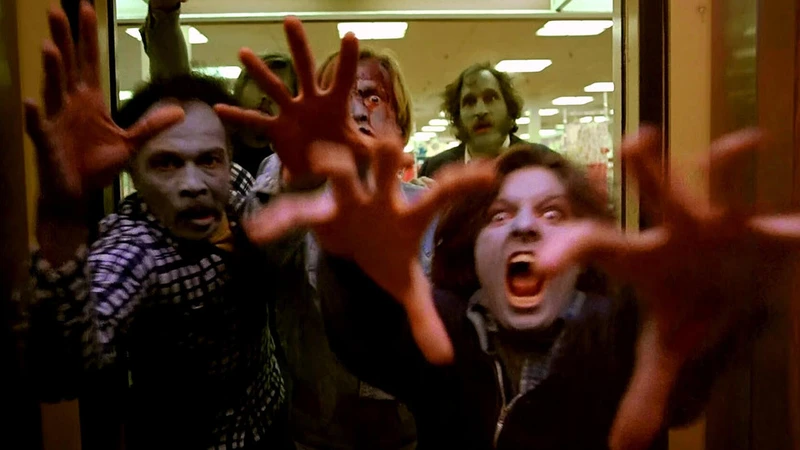
Dawn of the Dead (1978)
Editing played a key role in balancing horror and satire, helping the film land both its scares and its commentary effectively.
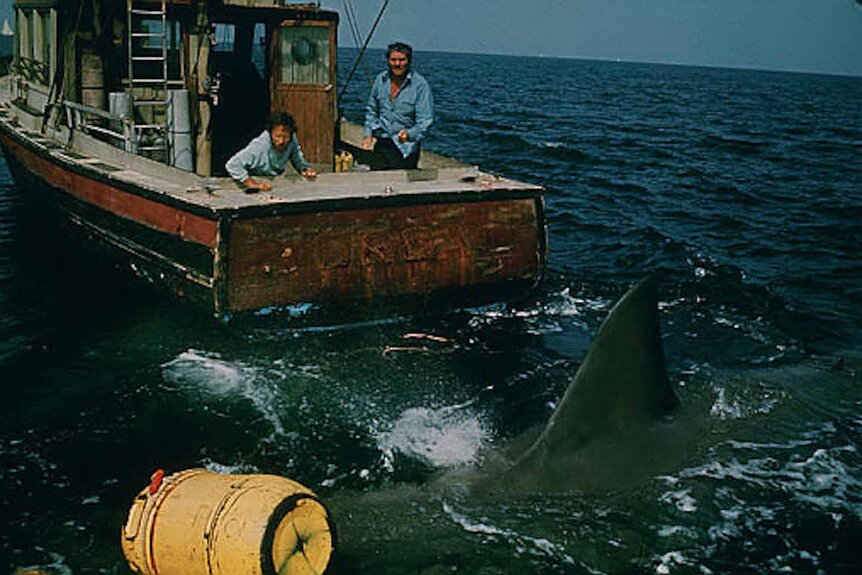
Jaws (1975)
Mechanical issues with the shark forced editors to rely on suggestion rather than constant visibility. That limitation created suspense and made the film far more effective.
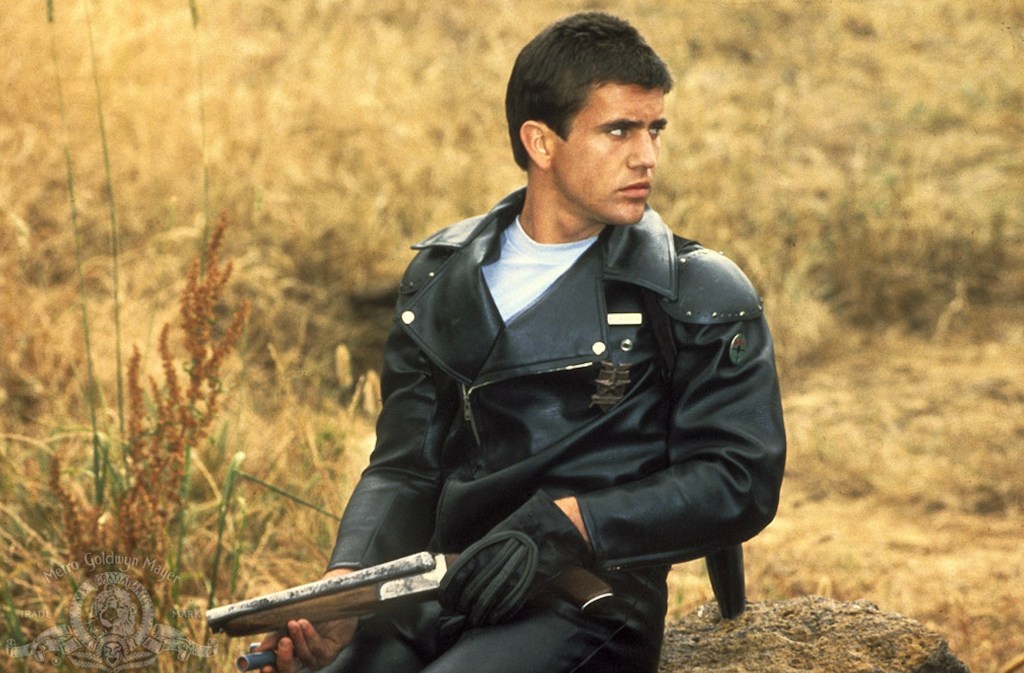
Mad Max (1979)
The raw footage lacked energy until editing transformed it with rapid cuts and tight pacing, giving the film its signature intensity.
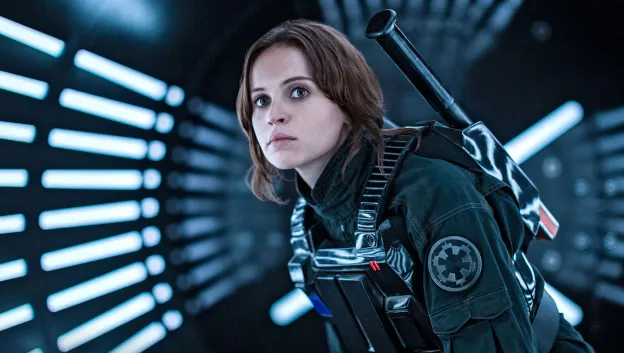
Rogue One: A Star Wars Story (2016)
Significant reshoots and re-editing reshaped large parts of the film, especially the final act, which became one of its most praised elements.
The post 15 Times a Movie Was Saved on the Editing Floor appeared first on Den of Geek.
Leave a Reply
You must be logged in to post a comment.